Retro Illustrations: A Nostalgic Graphic Design Asset for Crafts and Graphics
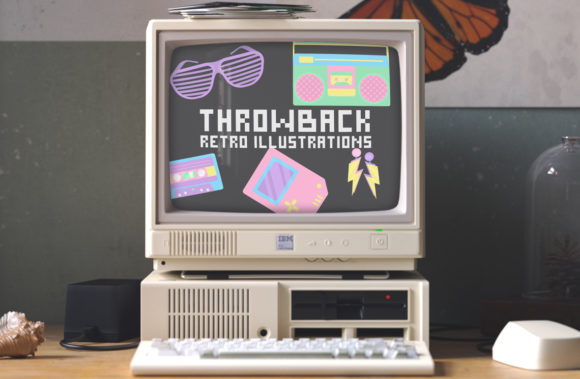
As a digital product creator who’s spent years building sellable assets for Etsy, print-on-demand, and creative marketplaces, I always approach new graphic design assets with a critical eye. When I first opened the Retro Illustrations pack, I was immediately drawn to its charm and potential. The set features six illustrations of old-school items like a boom box, cassette tape, Gameboy, and more — each rendered in a style that evokes a warm sense of nostalgia without feeling outdated.
First Impressions and Niche Appeal
The visual personality of Retro Illustrations is playful yet refined. It has a clear 80s and 90s aesthetic, which makes it ideal for a range of audiences who appreciate vintage vibes. Think handmade businesses selling retro-themed planners, bloggers creating nostalgic social media templates, or print-on-demand shops targeting millennials and Gen Z who grew up surrounded by these classic gadgets.
This asset feels particularly at home in crafts and graphics niches where storytelling through visuals matters. Whether you're designing greeting cards, wall art, or digital paper packs, the illustrations add character and a sense of authenticity that can help your listings stand out in a crowded marketplace.
Who Might Be Interested?
- Etsy sellers looking to add a vintage flair to their digital downloads or physical products.
- Print-on-demand creators aiming to tap into retro trends on mugs, t-shirts, and tote bags.
- Cricut users seeking SVG designs that are both intricate and easy to cut.
- Canva template sellers wanting to enhance layouts with illustrative elements that evoke a specific era.
- Bloggers and content creators needing eye-catching graphics for articles or social media posts about retro culture.
- Small business owners working on brand identity or packaging design that channels a throwback vibe.
Real-World Applications for Digital Selling
One of the key strengths of Retro Illustrations is its versatility across different types of products. Here's how I’ve tested and used it in various scenarios:
- T-shirt graphics: The illustrations work well as standalone prints or layered with text for vintage-style apparel.
- Mug and tumbler wraps: The bold outlines and minimal shading make them ideal for ceramic printing, especially when paired with solid colors.
- Planner stickers and printable wall art: The clarity of lines ensures they look crisp even when printed at smaller sizes.
- SVG and Cricut projects: These files have clean paths and no overlapping issues, making them suitable for die-cutting machines.
- Clipart bundles: They fit neatly into themed collections such as “Nostalgia,” “Retro Tech,” or “Vintage Vibes.”
I also tried incorporating them into Canva templates for blog headers and Instagram posts. The result? A layout that felt instantly groovy and authentic, perfect for content creators who want to connect with an audience that loves the past.
Testing Before You Sell
Before adding any illustration to my product line, I always test it on real mockups. For Retro Illustrations, I previewed it on a white t-shirt using a basic mockup tool. The color contrast was good, and the scale worked well without distorting the details. I also overlaid one onto a dark background to see if it would pop — it did, but I’d recommend using a slightly lighter version of the original color palette to maintain visibility.
Another important step is checking PNG transparency. If you’re planning to use this as a clipart or overlay in Photoshop or Canva, make sure the PNGs don’t have jagged edges or unwanted pixels. In this case, the PNGs were clean and ready to use out of the box.
Where This Asset Shines
Retro Illustrations really comes alive in larger formats. I found that using it as part of a product mockup for a digital download listing helped build customer trust and gave a professional touch. For example, placing the boom box illustration next to a vintage-style font in a design bundle made the entire package feel cohesive and curated.
It’s also a great fit for themed bundles like “Groovy Graphics” or “Old-School Essentials.” Pairing it with other retro assets (think vinyl records, record players, or typewriters) can increase perceived value and encourage buyers to invest in a full collection rather than just a single file.
On creative marketplaces, the thumbnails are crucial. I created several variations using the illustrations in different contexts — from minimalist layouts to more decorative ones. The best results came from using the illustrations as the focal point, keeping the rest of the design simple to highlight their charm.
Use With Caution
While Retro Illustrations is a strong asset, there are some situations where it may not be the best fit:
- Tiny sticker details: The illustrations are detailed enough that scaling them down could lead to loss of quality. Test at 1x1 inch before finalizing.
- Overly complex layouts: Don’t try to cram too many illustrations into one design. Simplicity works better here to avoid clutter.
- Low-resolution print products: Ensure that if you're printing on fabric or sublimation materials, the resolution is high enough to preserve detail.
- Crowded thumbnails: Use only one or two illustrations per thumbnail to keep it visually appealing and easy to read.
- Dark backgrounds: Some illustrations may lose contrast when placed on darker tones. Adjust colors or layer effects to compensate.
- Text-heavy templates: Avoid placing illustrations over dense blocks of text; they need space to breathe and remain legible.
- Clean cutting lines for Cricut/Silhouette: While the SVGs are mostly clean, double-check the cut paths if you plan to use them in precision-based projects like scrapbooking kits or packaging design.
Design Pairings and Brand Consistency
To maximize the impact of Retro Illustrations, I experimented with different font styles. A serif font like Playfair Display gave a timeless elegance, while a sans serif like Lato balanced the design with a modern edge. For more whimsical uses, pairing it with a script or handwritten font added a personal, nostalgic feel that’s perfect for greeting cards or nursery prints.
Brand consistency is another area where this asset helps. If you're running a handmade business or small business branding campaign around retro themes, using these illustrations across your product line can reinforce your visual identity. From packaging design to social media graphics, the same illustrations can tie together multiple offerings under a unified theme.
Maximizing Value and Click-Through Potential
When preparing digital downloads, I found that organizing the files clearly is essential. Grouping the illustrations by type (e.g., audio gear, gaming devices) and providing suggested use cases in the description increased buyer confidence and purchase intent.
I also used the illustrations in seasonal collections, like a “Summer Rewind” bundle for Etsy, where they paired perfectly with retro typography and color schemes. This kind of curation not only enhances visual hierarchy but also tells a story that customers can connect with.
For printable products, I recommend using them as standalone pieces or combining two or three for a collage effect. The illustrations are scalable and retain their visual appeal at most resolutions, though for large-format prints, always verify the file size and dimensions.
Commercial Licensing and Legal Considerations
One thing I always stress when reviewing a graphic design asset is confirming the commercial license. For Retro Illustrations, the licensing terms allowed me to confidently use them in merchandise graphics, digital downloads, and even resellable templates. This is especially important for creative marketplace sellers who rely on legal clarity to protect their shop and customers.
Final Thoughts for Digital Sellers
Retro Illustrations isn't just a fun asset to have — it's a practical addition to your design toolkit. Whether you're crafting SVG products for Cricut lovers, building clipart bundles for Canva users, or creating greeting card templates for Etsy, this set offers a unique blend of nostalgia and usability.
What sets it apart is how it supports visual storytelling and adds a touch of personality to otherwise flat designs. As someone who’s sold thousands of digital products, I know that a little character can go a long way in making your shop feel genuine and trustworthy.
If you're considering adding a retro element to your next project, give Retro Illustrations a test run. Use it on mockups, pair it with fonts, and see how it performs in your target market. Done right, it could become one of your most popular assets for graphics and crafts.
⬇️ Download FreeFree download · No sign-up required🔗 You Might Also Like
CraftsWhen a client approaches me with a request to revitalize their brand identity fo...CraftsThere is a specific kind of panic that hits every handmade seller in July. It is...CraftsAs a brand designer who has spent years refining visual identities for local ent...CraftsWhen I first pulled A Plus Teacher into my design workspace, the immediate react...CraftsAs a digital product creator who spends hours evaluating assets for my own shops...