Animal School – A Playful Design Asset for Creative Projects
As a professional designer with years of experience working on branding, marketing visuals, and packaging concepts, I always look for design assets that not only fit the brief but also elevate the overall visual language of a project. Animal School is one such illustration bundle that caught my attention immediately upon opening the ZIP file. The combination of clean vector formats and high-quality raster images gives it broad flexibility, which is essential when preparing materials for both digital and print applications.
A Whimsical Yet Versatile Visual Style
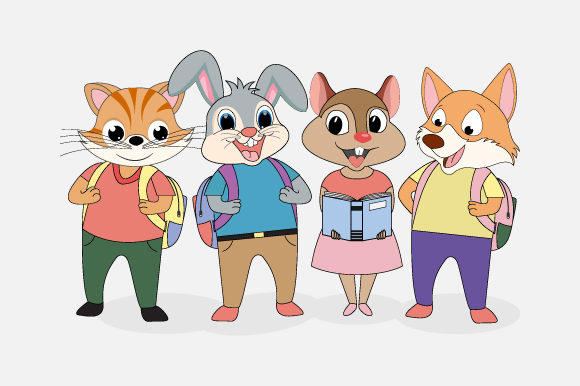
The first thing I noticed about Animal School is its distinct character. It’s an illustration set that blends a school-themed aesthetic with adorable animal elements—think cartoon animals in desks, holding books, or wearing uniforms. This whimsical yet structured style makes it ideal for projects targeting children, educational themes, or brands that want to infuse warmth and approachability into their visuals.
What stands out is how the illustrations maintain a consistent tone while offering enough variation to support multiple uses. They’re not just decorative—they tell a story. That kind of depth can be powerful in creating emotional appeal and brand recognition, especially for small businesses like handmade toy shops, educational startups, or seasonal campaigns aimed at families.
Real-World Applications: Where Animal School Shines
In real client work, this kind of graphic design asset often needs to perform across different mediums. Here’s where I see Animal School making an impact:
- Product Mockups: These illustrations are perfect for adding personality to product mockups, especially for items like notebooks, backpacks, or stationery sets targeted at kids or parents.
- Hero Graphics: The larger-than-life nature of some illustrations works well as hero graphics on landing pages, social media banners, or website headers.
- Editorial Design: For magazines, blogs, or newsletters focused on education, parenting, or creativity, these illustrations add a fun touch without overwhelming the layout.
- Print-on-Demand: As a designer who regularly creates t-shirt designs, mugs, tote bags, and stickers, I found these illustrations to be highly adaptable for merchandise. Their playful style resonates well with niche audiences looking for cute, thematic products.
- Cricut Projects: The SVG format is particularly useful for Cricut users. Whether you're designing wall decals, scrapbook elements, or classroom decorations, the scalability and editability of the vector files make them a strong candidate.
- Etsy Product Listings: If you're a content creator or small business owner selling printable wall art, planners, or calendars, these illustrations can enhance your listings and differentiate your products in a crowded marketplace.
Design Direction for Brand Identity
I recently worked on a brand identity concept for a local educational startup launching an online learning platform for preschoolers. Animal School provided the exact kind of visual direction we needed—a mix of innocence, learning, and charm. When placed alongside a soft pastel color palette and rounded sans-serif fonts, the illustrations helped establish a cohesive, modern design system that felt engaging and trustworthy.
These graphics are also great for supporting brand elements like badges, icons, and even subtle background textures in product labels or packaging. The level of detail is balanced enough to avoid clutter, yet expressive enough to create a memorable impression.
Performance Across Media and Sizes
One of the first practical checks I do when evaluating any design asset is how it holds up in various sizes and contexts. Animal School performed admirably at large scale, where the details pop and the characters feel vibrant. However, when previewed at smaller sizes (like icon-level), some finer linework lost clarity. This means it's best suited for layouts where the illustrations can take center stage rather than being used as tiny supporting elements.
I tested the JPEG versions on both light and dark backgrounds, and they maintained decent contrast. Still, for more controlled output, especially in logos or minimalist branding, the vector files (SVG and EPS) give much more flexibility in terms of color adjustments and layering.
Readability and Hierarchy Considerations
While the illustrations themselves don’t interfere with text readability, their presence does affect the visual hierarchy. In editorial or web design, using them as accents or chapter dividers helps break up dense content and adds a sense of playfulness. But if the goal is a sleek, corporate look, they might clash with the intended tone. That said, for small businesses or creative marketplaces, they can serve as a unique hook that improves audience engagement.
Commercial Use and Licensing
Before recommending any design asset for client use, it’s crucial to confirm commercial licensing. The Animal School package appears to include all necessary file types for commercial use, including SVG, AI, EPS, and JPEG. These formats ensure compatibility with most design tools and platforms, from Adobe Illustrator to Canva templates.
For designers working in sublimation printing, SVG files are key for precise cutting and engraving. The AI and EPS files also allow for easy editing if clients need to customize colors or add text. The JPEG version is handy for quick previews or web-based applications where vector files aren't supported.
Practical Designer Notes
Here are a few things I recommend checking before using Animal School in a live project:
- Test in Black and White: Since many print-on-demand platforms offer monochrome options, verify that the line art remains clear and recognizable without color.
- Contrast Check: Ensure the illustrations stand out against both light and dark backgrounds, especially if you're planning to use them in digital ads or Instagram posts.
- Preview at Small Sizes: Some details may become indistinct at lower resolutions. If using for small-format items like buttons or tags, simplify the composition or focus on key elements.
- Mockup Testing: Place the graphics on real-world product mockups (t-shirts, mugs, etc.) to assess how they interact with textures, lighting, and shadows.
- Print Quality: Print a sample to evaluate how the JPEG handles physical reproduction, especially if using glossy or matte finishes.
- Compare With Other Fonts: Pair the illustrations with serif, sans-serif, script, and display font styles to find the right balance between whimsy and professionalism.
- Confirm Commercial License: Always double-check the licensing agreement to ensure it supports your specific use case—whether for an Etsy shop, logo design, or branded merchandise.
Emotional Appeal and Brand Consistency
From a branding perspective, Animal School brings an element of nostalgia and joy. The characters feel familiar and friendly, which builds visual trust and emotional connection. For a small business like a boutique toy store or a family-owned educational resource site, this can significantly improve brand consistency by reinforcing the core values of learning, care, and creativity.
However, it's important to consider the audience perception. While the illustrations are charming, they may not align with a more serious or professional brand voice. That’s why it’s best reserved for projects where a lighthearted, engaging tone is appropriate.
Where to Use Carefully
Despite its strengths, there are scenarios where Animal School should be used cautiously:
- Minimalist Branding: The detailed, illustrative style doesn’t suit ultra-clean, modern design systems.
- Corporate Materials: For annual reports, brochures, or formal presentations, these illustrations might feel too informal.
- Crowded Layouts: Avoid placing multiple illustrations in tight spaces; they can overwhelm the viewer and disrupt visual hierarchy.
- Low-Contrast Designs: Make sure the color choices don’t mute the vibrancy of the illustrations, especially in grayscale or sepia-toned prints.
Why Animal School Is Worth Considering
If you're working on a themed collection, a seasonal campaign, or anything with an educational or child-friendly angle, Animal School could be a valuable addition to your design toolkit. Its ability to blend storytelling with visual appeal makes it suitable for both digital and physical creative products.
As a designer, I appreciate how it can quickly transform a generic layout into something unique and engaging. Whether it's a poster for a summer reading program or a flyer for a local science fair, these illustrations bring energy and clarity to the message.
For marketers and content creators, the asset opens up opportunities for Pinterest pins, blog headers, and social media posts that resonate emotionally. And for those in the creative marketplace, it provides a solid foundation for building a themed design bundle that appeals to a wide range of customers—from educators to parents to crafters.
Final Thoughts
Animal School isn’t just another illustration pack—it’s a thoughtfully crafted design asset that can breathe life into a variety of projects. From product labels to website headers, it offers a versatile visual language that’s both charming and functional.
But remember, no design asset is one-size-fits-all. Evaluate how it fits within your broader creative strategy, test it in real-world conditions, and always confirm licensing terms before deployment. Done right, Animal School can help you deliver a polished, professional result that speaks directly to your target audience.