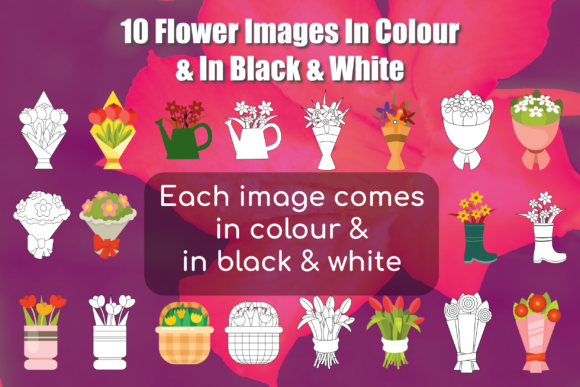
10 Flower Images: A Versatile Graphic Design Asset for Modern Content
As a seasoned blog designer and digital publisher, I’m always on the lookout for graphic design assets that elevate content visuals without compromising clarity or brand identity. Recently, I had the opportunity to review the 10 Flower Images set—offered in both color and black-and-white versions across three file formats (PNG, SVG, PDF). Here’s my take on how these illustrations can fit into real-world publishing workflows.
A Fresh and Feminine Editorial Mood
At first glance, the 10 Flower Images exude a soft, artistic quality that immediately suggests a lifestyle or wellness-oriented niche. The floral motifs are stylized yet realistic, with a clean aesthetic that feels modern and approachable. These illustrations carry a playful but professional tone, making them ideal for content creators who want to infuse warmth and creativity into their web pages, newsletters, or editorial layouts.
The black-and-white versions offer a more timeless feel, while the colored options provide vibrant pops of life. Both variations support a wide range of visual storytelling needs—from seasonal themes like spring or autumn to evergreen topics like self-care, beauty, and home décor.
Supported Niches and Use Cases
- Lifestyle blogs focused on gardening, interiors, or fashion
- Wellness platforms promoting mindfulness, yoga, or aromatherapy
- Women's empowerment sites where soft, elegant visuals resonate
- Seasonal campaigns for holidays, birthdays, or floral-themed events
- Editorial projects such as digital guides, worksheets, or printable calendars
Real Publishing Applications: Where 10 Flower Images Shine
These illustrations are not just decorative—they serve functional roles in visual communication. Let’s break down some key use cases:
Enhancing Blog Featured Images
Bloggers often struggle with making featured images stand out. The 10 Flower Images can be layered subtly behind headlines or used as corner accents to guide the eye toward the main message. Their soft edges and natural forms help create a visually inviting header that supports readability and engagement.
Pinterest Pin Design with Flair
On Pinterest, where visuals drive clicks, these flowers can act as eye-catching overlays or background elements. Pairing them with bold typography in Canva templates makes it easy to craft pins that feel hand-drawn and personal. Whether you’re promoting an eBook or a DIY tutorial, the floral touch adds charm and curiosity value.
Newsletter Headers and Banners
Email marketing thrives on consistency and visual appeal. Using one of the 10 Flower Images as a header in your newsletter banner helps establish a cohesive brand identity. They work especially well when paired with serif or script fonts, creating a warm, trustworthy look that encourages readers to open and engage with your content.
Lead Magnets and Digital Downloads
If you're designing a lead magnet or downloadable resource—like a coloring book, planner, or digital worksheet—these images add instant polish. Their availability in multiple file types means they scale beautifully from thumbnails to full-page printables. For example, using an SVG version ensures crisp edges even at high resolutions, which is essential for printable design.
Content Upgrades and Media Kits
For affiliate marketers or bloggers offering content upgrades, including these flowers as part of a media kit or branding package can give your audience a sense of exclusivity. When used as accents in a digital guide or eBook cover, they reinforce the creative nature of your offerings and help differentiate your digital products from generic stock graphics.
Website Category Thumbnails and Navigation Elements
Floral imagery can be used to highlight specific categories or sections on a website. Whether it’s a “Spring Recipes” section or a “Mindfulness” category, these illustrations help improve category recognition and make navigation more intuitive. Just ensure they don’t clash with the overall site style or become too busy when combined with text.
Performance Benefits of Using 10 Flower Images
Incorporating the right design assets into your content strategy isn't just about aesthetics—it’s also about performance. Here’s how these images contribute to better results:
- Stronger First Impressions: The delicate and inviting nature of these flowers helps create a positive emotional response from readers right away.
- Clearer Visual Hierarchy: Used as headers or dividers, they help segment content and draw attention to important areas.
- Better Click-Through Potential: On social media previews or article thumbnails, the floral designs add interest and encourage users to click.
- Consistent Branding: Repeating similar flower styles across different content types builds a recognizable brand identity over time.
- Improved Reader Trust: High-quality illustrations signal professionalism and care, which are crucial for building credibility in content marketing.
- Enhanced Visual Identity: Whether in a hero image or a sidebar graphic, these illustrations contribute to a unique and memorable look.
- Polished Content Pages: From blog posts to landing pages, adding floral accents gives your site a curated, editorial feel.
Where to Place Them for Maximum Impact
- Hero images for blog posts or product pages
- Article thumbnails or preview cards
- Pinterest pin backgrounds or overlays
- Canva template elements for consistent blog graphics
- Editorial accents in sidebars or between paragraphs
- Downloadable resources like planners, guides, or printables
- Newsletter headers or email banners
- Social media post frames or Instagram story highlights
Use with Caution: Limitations and Best Practices
While the 10 Flower Images are incredibly versatile, there are situations where they may not perform optimally:
- Small mobile thumbnails: The intricate details might get lost at low resolution.
- Text-heavy blog images: Overusing floral graphics could reduce legibility or distract from the message.
- Low-contrast backgrounds: Ensure there's enough contrast between the illustration and the text or page background.
- BUSY layouts: In complex grids or multi-element designs, these flowers should be used sparingly to avoid clutter.
- Serious professional niches: Industries like finance, law, or corporate training may find the style too whimsical.
- Corporate content: Unless intentionally chosen for a softer brand voice, these illustrations may not align with formal aesthetics.
- Websites with minimal visual systems: If your site leans heavily on negative space or monochrome design, consider how the flowers integrate without disrupting the balance.
Publisher Checklist: Getting the Most Out of This Illustration Set
To ensure these illustrations work seamlessly within your content ecosystem, follow this practical workflow:
- Test on desktop and mobile screens: See how the images respond to different resolutions and aspect ratios.
- Check thumbnail performance: Resize the PNGs to 600x400px and observe if the detail remains clear and appealing.
- Preview inside a real blog layout: Test placement alongside your existing content to see if it complements your current visual language.
- Experiment with headline text: Overlay your primary headlines to assess legibility and hierarchy.
- Review contrast and readability: Make sure the floral elements don’t interfere with text visibility or user experience.
- Try in black and white: Assess whether the grayscale versions still hold visual interest and relevance.
- Pair with font styles: Try placing them beside serif, sans serif, script, handwritten, and display fonts to find the most harmonious combinations.
- Optimize file size for web performance: Compress PNGs and SVGs appropriately to maintain fast loading times.
- Confirm commercial licensing: Before using on monetized websites, affiliate pages, or paid digital products, ensure you have the necessary permissions.
Final Thoughts on Integrating 10 Flower Images
After testing the 10 Flower Images in several publishing scenarios, I can confidently say they are a valuable addition to any creative design toolkit. Their flexibility across formats and styles makes them suitable for everything from small business branding to large-scale editorial projects. What stands out most is their ability to enhance the emotional resonance of content—making it feel thoughtful, intentional, and visually engaging.
For those in the lifestyle, wellness, or creative niches, these illustrations offer a perfect blend of artistry and usability. They’re not just pretty pictures; they’re strategic elements that support stronger visual hierarchy, improved click-through rates, and a more cohesive editorial design system. Just remember to use them thoughtfully, keeping your target audience and brand voice in mind.